

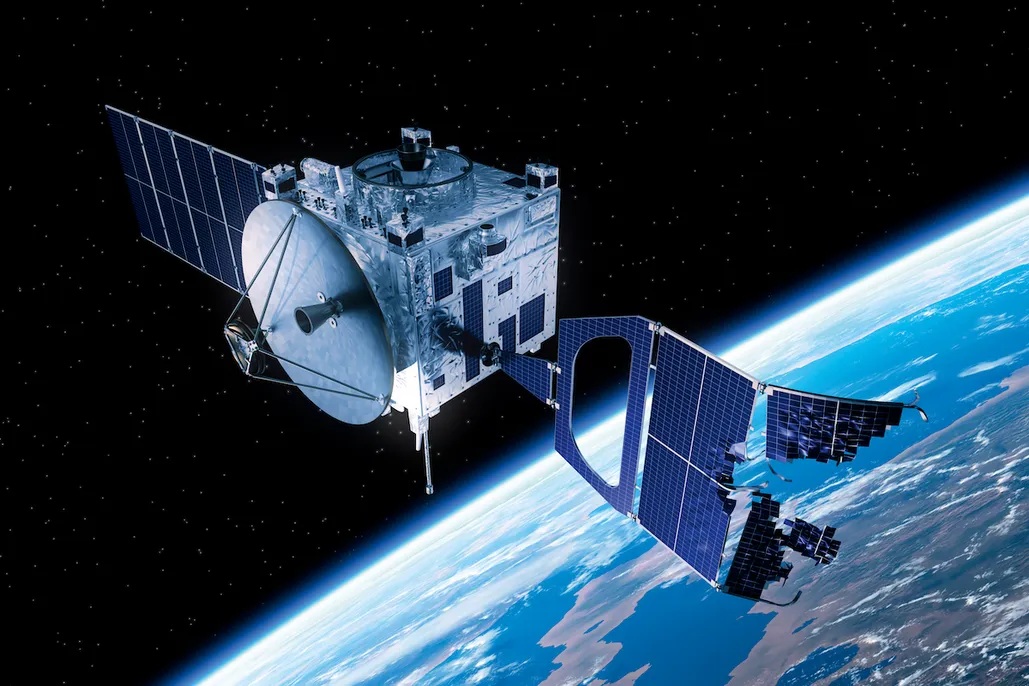
When bringing up the thought of monitoring global change or deforestation, the minds of most people think of the image of scientists taking samples in forests miles away and counting the air quality using a hand-held instrument Nevertheless, recent satellite images and Artificial Intelligence-driven interpretation have turned environmental monitoring into a faster and more precise science.
OnGeo Intellitence, which is a pioneer in geospatial analytics, are using the latest satellite data to offer conservation and climate action to be worked on. Their experience can help governments and organizations make decisions based on data to preserve ecosystems.
Why Satellites Are Game-Changers
Manual environmental monitoring was cumbersome and costly.
Satellites come to the rescue by providing:
-
- Global coverage – Tracking even the most remote regions.
- Real-time data – Monitoring changes in real-time.
- High-resolution imagery – Photographing such things as deforestation, pollution and sprawl.
We are now able to observe the planet better than ever before with satellite imagery and catch issues before they turn into crises.
Key Applications in Environmental Protection
The satellites are vital elements in various environmental surveillance zones:
1. Deforestation Tracking
- It detects any instance of illegal logging by comparing the change in forest cover over time.
- Identifies zones with high risks of deforestation to be prioritized.
2. Air and Water Quality Monitoring
- Tracks the emission of CO2 and methane in real time.
- Monitors oil spills, algae and industrial wastes on water bodies.
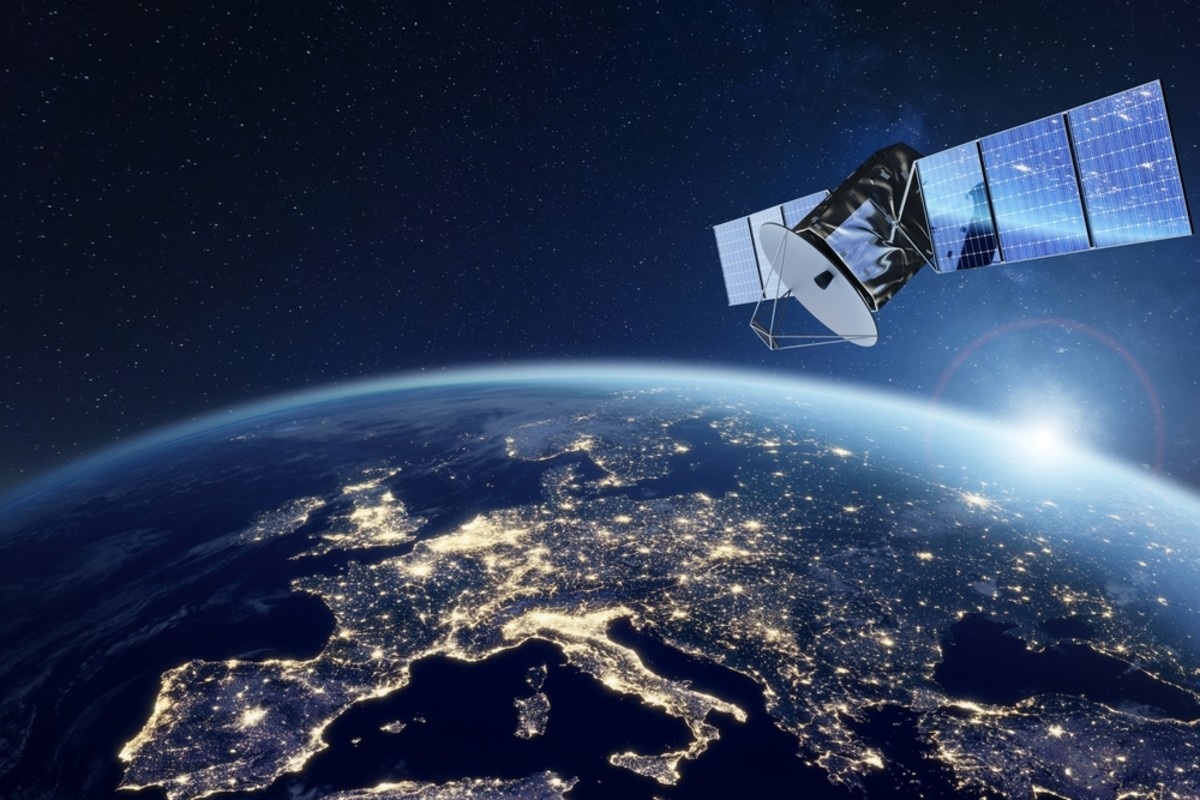
3. Climate Change Analysis
- Monitors glacier melt, sea rise and weather patterns.
- Helps predict the erratic weather like the hurricanes and droughts.
4. Urban Expansion & Land Use
- Monitors urbanization and its effect on the green areas.
- Assists in sustainable urban planning.
How AI Enhances Satellite Data
Although the raw data is given by satellites, it is the AI that gives meaning to the raw data by:
-
- Analyzing vast datasets quickly.
- Making out alterations in small changes in the ecosystems.
- Anticipating the risk to the environment.
As an example, machine learning can detect deforestation patterns that cannot be seen by human eyes or predict the level of air pollution days. This potent pairing enables a proactive as opposed to reactive management of the environment.
The Future of Satellite Monitoring
The use of satellite technology offers even further accuracy:
- Imagery with a higher resolution to study in more detail.
- Improved AI for smarter and faster insights.
- Global cooperation between researchers and policymakers.
The growing number of tools, such as the OnGeo Intelligence tools, are helping us to progress in a world where environmental threats, serious as they are, will be noticed and blocked before they become hazards. The possibility of seeing a benefit increases with the more universal applications of these technologies.
Final Thoughts
Whether examining ocean health or observing faults, satellites are used to protect our Earth in many ways. With the development of the technology, their mission can only expand – and they can allow us to create a more sustainable world, one photo at a time. The union between satellite data and AI is our only hope to comprehend and address global environmental issues.