

When working with vacuum technology, picking the right electrical feedthroughs is key. It keeps the vacuum environment safe and sound.
In Ultra High Vacuum (UHV) settings, the right electrical feedthroughs are essential. They affect how well and reliably your system works. A maker’s skill in making custom parts and their knowledge of ceramic-to-metal seals are important.
Key Takeaways
- Consider the manufacturer’s expertise in ceramic-to-metal sealing technology.
- Look for customisation options for specific UHV requirements.
- Assess the manufacturer’s in-house manufacturing capabilities.
- Evaluate the range of components available in their catalog.
- Check for thorough testing capabilities, such as helium mass spectrometer leakage detectors.
Understanding Vacuum Electrical Feedthroughs
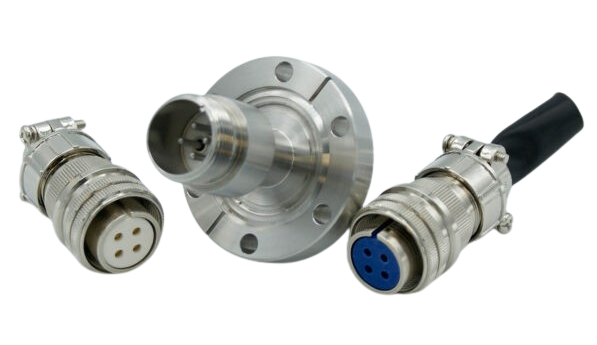
Vacuum electrical feedthroughs are special devices. They let electrical signals or power into a vacuum chamber. This is done without breaking the vacuum. As a great vacuum feedthroughs selection shows, they are key for many uses.
Basic Function and Purpose
These devices help make electrical connections in vacuum systems. They keep the vacuum safe while letting electrical signals or power through. This is done with careful design and the right materials.
Critical Role in Vacuum Systems
In ultra-high vacuum (UHV) systems, these feedthroughs are very important. They are used in science and industry where a stable vacuum is needed. “The reliability of vacuum electrical feedthroughs is key,” it affects the system’s performance and safety.
The Science Behind Vacuum Feedthroughs
Vacuum feedthroughs work by keeping the vacuum integrity and ensuring electrical conductivity. They are key in many vacuum uses. They let electrical signals or power go into the vacuum without breaking it.
Vacuum Integrity Principles
Keeping the vacuum tight is very important. The design must stop leaks and keep the vacuum level right. Ceramic-to-metal sealing technology is used for a strong, leak-free seal. The materials must also fit well with the vacuum and handle its conditions.
Electrical Conductivity Requirements
It’s also vital to make sure the feedthrough can carry electricity well. It must connect the outside and inside of the vacuum chamber reliably. The right materials and design are key. Copper or silver, for example, are good for these connections.
Common Applications of Vacuum Electrical Feedthroughs
Vacuum electrical feedthroughs are used in many fields. They keep vacuum systems safe while letting electricity through.
Scientific Research Equipment
They are key in science, like in particle accelerators and tools for studying surfaces. They let electrical signals reach vacuum areas. This helps with experiments and getting data. For example, power feedthroughs power equipment in vacuum chambers.
Industrial Manufacturing Processes
In making things, vacuum electrical feedthroughs are very important. They help in making semiconductors and vacuum coatings. They make sure electrical connections are good, making the process better and more precise.
Aerospace and Defence Applications
The space and defence areas also use these feedthroughs. They are in space simulators and radar systems. Their dependability and performance are very important in these tough places.
| Industry | Application | Key Requirement |
| Scientific Research | Particle Accelerators | High Voltage Resistance |
| Industrial Manufacturing | Semiconductor Manufacturing | Reliable Signal Transmission |
| Aerospace & Defence | Space Simulation Chambers | High Vacuum Compatibility |
Types of Vacuum Feedthroughs Available in the Market
It’s key to know the different vacuum feedthroughs for picking the right one. The market offers many types for various uses, from science to industry. As shown in recent articles, having a wide range of parts and making things in-house is a plus.

Power Feedthroughs
Power feedthroughs manage high currents and voltages. They’re perfect for big power needs in industry and science.
Signal Feedthroughs
Signal feedthroughs send low-level signals into vacuum systems. They’re vital for precise signal work in science.
Thermocouple Feedthroughs
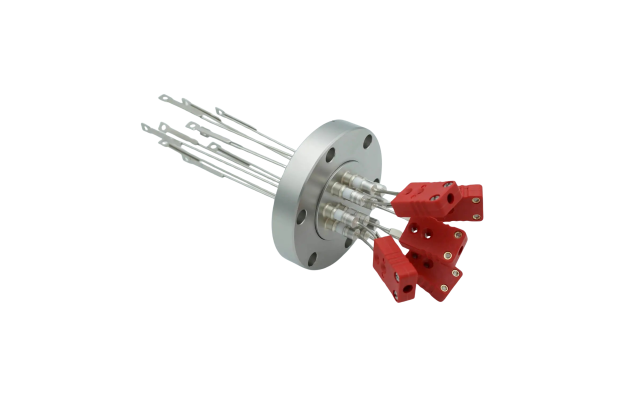
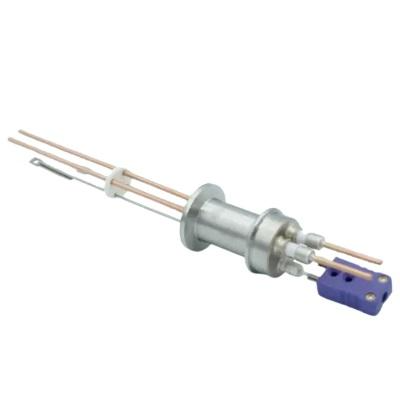
Thermocouple feedthroughs measure temperature in vacuum systems. They’re key for keeping an eye on temperature in processes.
Coaxial Feedthroughs
Coaxial feedthroughs send high-frequency signals into vacuum areas. They’re used in science and industry for RF signal needs.
Multi-pin Feedthroughs
Multi-pin feedthroughs have many electrical connections in one. They’re great for complex systems needing lots of connections.
A leading maker says, “Choosing the right vacuum feedthrough depends on your application’s needs.” This shows why picking the right feedthrough is so important.
Material Considerations for Vacuum Feedthroughs
Choosing the right materials for vacuum feedthroughs is key. It affects how well they work and last. The material choice impacts vacuum integrity, temperature tolerance, and electrical connection reliability.
Metal Options and Their Properties
Metals are top picks for vacuum feedthroughs. They’re strong, conductive, and durable. Stainless steel, copper, and aluminium are common choices.
Stainless steel is great for tough jobs because it resists corrosion and is strong. Copper is best for carrying signals and power because it conducts electricity well.
- Stainless steel: corrosion-resistant and strong
- Copper: high electrical conductivity
- Aluminium: lightweight and corrosion-resistant
Ceramic and Glass Insulators
Ceramic and glass insulators keep feedthroughs electrically sound. They’re good at insulating, staying stable in heat, and handling tough conditions. Ceramic, like alumina, is strong and has great dielectric properties. Glass is used where high vacuum is needed.

Using the right metals and insulators makes vacuum feedthroughs reliable. They work well in many fields, from science to industry.
Vacuum Rating and Pressure Specifications
Choosing the right vacuum electrical feedthrough is key. You need to know its vacuum rating and pressure specs. These are important for safe and effective use in vacuum environments.
Understanding Vacuum Classes
Vacuum systems are grouped by pressure levels. They range from rough vacuum to ultra-high vacuum (UHV). UHV needs the tightest seals.
The class of vacuum decides the feedthrough’s materials and how it’s made.
Leak Rate Specifications
The leak rate shows how well a feedthrough keeps vacuum. It’s measured in mbar l/s. A lower rate means a tighter seal.
For very clean environments, you need feedthroughs with very low leak rates.
Bakeout Compatibility
Bakeout removes gases from vacuum system materials. It makes the vacuum better. Feedthroughs must handle high bakeout temperatures.
The materials used must not break down or lose shape at these temperatures.
| Vacuum Class | Pressure Range (mbar) | Typical Applications |
| Rough Vacuum | 1000 to 1 | Industrial processes, roughing pumps |
| High Vacuum | 1 to 10^-3 | Vacuum furnaces, coating systems |
| Ultra-High Vacuum (UHV) | Below 10^-7 | Surface science, particle accelerators |
Knowing these specs is essential. It helps pick the right feedthrough for your needs. It must meet vacuum rating, leak rate, and bakeout standards.
Electrical Specifications to Consider
It’s key to know the electrical specs of vacuum feedthroughs. This ensures your vacuum system works well and lasts long. The right specs can make a big difference in how well it performs.
Voltage Ratings and Breakdown Concerns
Voltage ratings are very important. They show the highest voltage a feedthrough can take without breaking down. Breakdowns can cause system failures and be dangerous. So, pick a feedthrough with a voltage rating higher than your system’s max voltage.
Current Capacity and Heat Generation
The current capacity of a vacuum feedthrough is also critical. You need to choose one that can handle your system’s max current. If it can’t, it might get too hot and damage itself or other parts.
Signal Integrity and Noise Considerations
For signal transmission, keeping the signal clean and free from noise is key. Things like insulation, conductor setup, and shielding matter a lot. A good feedthrough will help keep your signals accurate and reliable.
When looking at electrical specs, remember these important points:
- Maximum voltage and current needs
- What kind of signal and its frequency
- Insulation and shielding needs
- The environment it will be in (like temperature and pressure)
Connection Types and Mounting Options
Choosing the right vacuum electrical feedthrough is key. You need to know about connection types and mounting options. These choices affect how well your vacuum system works.
Flange Standards
Flange standards are important in vacuum feedthrough design. They show how the feedthrough connects to the vacuum chamber. You’ll find CF, KF, and ISO flanges, each with its own use.
| Flange Type | Description | Typical Applications |
| CF (ConFlat) | Used for high-vacuum and ultra-high-vacuum applications, providing a robust, bakeable seal. | Scientific research, semiconductor manufacturing |
| KF (Quick Flange) | Ideal for applications requiring frequent connections and disconnections, providing ease of use. | Industrial vacuum systems, laboratory equipment |
| ISO | Standardized for international use, ISO flanges provide a versatile mounting solution. | Aerospace, industrial manufacturing |
Welded vs. Demountable Options
Choosing between welded and demountable feedthroughs depends on your system’s needs. Think about how permanent, maintainable, and flexible you need it.
Welded feedthroughs are great for permanent, leak-free solutions. They’re perfect for places where the feedthrough won’t be changed. Demountable feedthroughs are better for systems needing easy access or changes. They’re good for maintenance and flexibility.
How to Evaluate Quality and Reliability of Vacuum Feedthroughs
Checking the quality and reliability of vacuum feedthroughs is key to avoiding system failures. It’s important to look at several factors when picking a vacuum feedthrough. These factors affect its performance and how long it lasts.
Certification and Testing Standards
Compliance with recognized standards shows a vacuum feedthrough’s quality. Manufacturers that follow strict testing, like ISO, show they care about quality. Look for feedthroughs tested for leak rate, voltage, and more, based on your needs.
| Certification | Description | Relevance |
| ISO 9001 | Quality Management System | Ensures consistent manufacturing quality |
| IEC Standards | International Electrotechnical Commission Standards | Covers electrical and safety aspects |
Warranty and Support Considerations
A good warranty and support show a manufacturer’s trust in their product. A strong warranty protects your investment. It also means you can get help quickly if something goes wrong.
“A good warranty is not just about the length of time it covers, but also about the quality of service provided during that period.” – Expert in Vacuum Technology
By looking at certification, testing, and warranties, you can judge a vacuum feedthrough’s quality. This helps your vacuum system work well and safely. It also lowers the chance of expensive failures.
Maintenance Requirements and Longevity Factors
Keeping vacuum electrical feedthroughs in good shape is key. Regular care helps them last longer. It also stops them from breaking down early, saving money and time.
Cleaning and Handling Best Practices
For vacuum feedthroughs to work well, follow the right cleaning and handling steps. Use gentle cleaners that won’t harm the parts. Avoid rough handling that could damage them.
Make sure all connections are tight and clean. Handling feedthroughs with care is important to keep them working right.
Signs of Wear and Replacement Indicators
Spotting wear and knowing when to replace feedthroughs is vital. Look out for signs like corrosion or damage. Also, watch for performance drops or leaks.
Regular checks can catch these problems early. This means you can fix them before they get worse.
Following these care tips and watching for wear signs can make your feedthroughs last longer. This keeps your system running smoothly and reliably.
Future-Proofing Your Vacuum System Investment
Choosing a vacuum system is a big deal. Picking the right vacuum electrical feedthroughs is key for its long-term success. It’s about making sure your system works well now and in the future.
Understanding the importance of vacuum feedthroughs is vital. They keep your vacuum system working right and let electricity flow. Top manufacturers in the UK have high-quality feedthroughs that meet strict standards.
Look at the vacuum rating, pressure specs, and connection types when picking feedthroughs. This ensures they fit your system perfectly. Doing this helps your vacuum system work well now and in the future. It also protects your investment and helps you choose the right feedthroughs.