

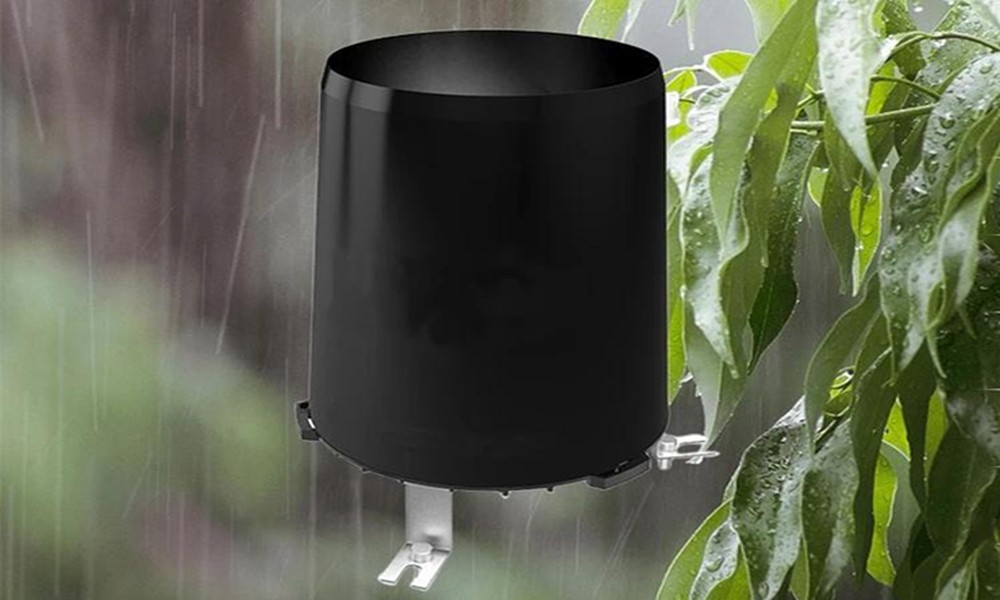
Rainfall is unpredictable but your data doesn’t have to be. In a world where climate patterns are shifting fast, rainfall measurement has become a critical tool for smarter planning, faster response, and better resource management. Powering this transformation is a simple yet powerful device: the rain gauge sensor.
This is a completely fresh take on how rainfall measurement works today and how modern sensors are turning raw rain into real-time intelligence.
Rainfall Measurement: More Than Just Numbers
At its core, rainfall measurement tells us how much rain falls over a specific area during a set time. It’s expressed in millimeters (mm), where:
- 1 mm rainfall – 1 liter of water per square meter
But modern systems go deeper. Today’s rainfall data answers key questions like:
- Is the rain light or intense?
- Is it short-lived or continuous?
- Is it evenly distributed or localized?
This level of insight is what makes rainfall measurement essential across industries.
Rain Gauge Sensor: The Smart Weather Tracker
A rain gauge sensor is a device designed to automatically detect and measure rainfall with precision. Unlike traditional gauges, modern sensors are digital, connected, and built for continuous monitoring.
They don’t just measure rain they:
- Capture data instantly
- Store historical trends
- Send real-time updates
- Integrate with smart systems
Think of them as the backbone of modern weather intelligence.
How Rain Gauge Sensors Turn Rain into Data
Behind every accurate reading is a simple but effective process:
1. Smart Collection
Rain enters a funnel designed to reduce loss and improve measurement accuracy.
2. Precision Measurement
Depending on the sensor type, rainfall is measured through tipping motion, weight detection, or light-based sensing.
3. Digital Conversion
The collected data is converted into electronic signals.
4. Instant Transmission
Data is sent to cloud platforms, dashboards, or mobile apps in real time.
This entire process happens automatically-no manual checks needed.
Types of Rain Gauge Sensors (Fresh Perspective)
Different environments demand different technologies.
Here’s a clear, updated view:
Tipping Bucket Sensor
A popular and practical choice.
- Water fills a small bucket
- Bucket tips at a fixed level
- Each tip a rainfall unit
- Best for continuous monitoring
Weighing Rain Gauge
Accuracy-focused and reliable.
- Measures the weight of rainwater
- Ideal for heavy rainfall conditions
- Minimizes data errors
Optical Rain Sensor
Modern and high-tech.
- Uses light beams to detect raindrops
- Measures size and velocity
- Useful for advanced analytics
Connected Smart Rain Gauge
Built for the digital age.
- IoT-enabled system
- Real-time alerts and insights
- Works with apps and cloud platforms
Why Rainfall Measurement is Critical Today
Rainfall data is no longer optional it’s essential for decision-making.
Agriculture Efficiency
Farmers use rainfall insights to optimize irrigation and protect crops.
Flood Preparedness
Real-time rainfall data enables early warning systems.
Urban Infrastructure
Cities rely on rainfall trends to design drainage and prevent flooding.
Water Resource Planning
Rainfall measurement supports reservoir management and groundwater control.
What Makes Modern Rain Gauge Sensors Stand Out?
Today’s rain gauge sensors are smarter, faster, and more efficient than ever:
- Live data tracking
- High measurement accuracy
- Remote monitoring access
- Cloud and IoT integration
- Low maintenance design
These features transform basic rainfall tracking into powerful decision-making tools.
Accuracy Depends on Setup
Even advanced sensors need the right conditions to perform well. Common issues include:
- Installation near obstacles like buildings or trees
- Wind affecting rainfall collection
- Debris blocking the funnel
- Lack of regular maintenance
Correct placement and periodic checks ensure reliable data.
Where Rain Gauge Sensors Make an Impact
Rain gauge sensors are used across a wide range of industries:
Precision Agriculture
Automated irrigation systems respond to real-time rainfall data.
Weather Monitoring Networks
Meteorological systems rely on continuous rainfall tracking.
Disaster Management Systems
Sensors trigger alerts for floods and extreme weather events.
Construction Planning
Rainfall data helps manage project timelines and safety.
Smart City Systems
Rain sensors improve drainage management and reduce waterlogging.
Choosing the Right Rain Gauge Sensor
The best sensor depends on your needs:
- Basic monitoring: Tipping bucket gauge
- High precision: Weighing rain gauge
- Advanced analytics: Optical or smart IoT sensor
Also consider:
- Environmental conditions
- Required data detail
- Budget and scalability
- Connectivity options
The Future of Rainfall Measurement
Rainfall measurement is moving toward a fully connected ecosystem:
- AI-powered rainfall prediction
- IoT sensor networks across regions
- Cloud-based real-time analytics
- Satellite-supported measurement systems
These innovations will make rainfall data faster, smarter, and more actionable.
Final Word
Rainfall measurement has evolved far beyond manual tools. Today, with advanced rain gauge sensors, every drop of rain becomes valuable data that drives smarter decisions.
From farms to cities, from disaster prevention to water management rainfall data is shaping the future. And with the right rain gauge sensor, you’re not just measuring rain you’re unlocking insights that matter.