

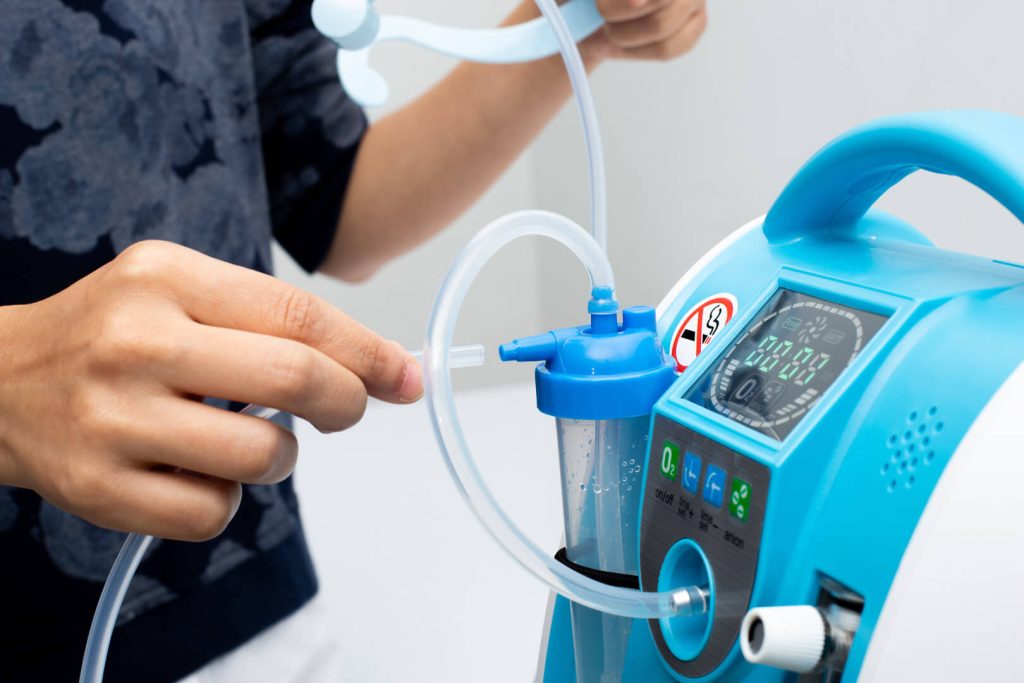
In clinical environments, power reliability is not just important—it is essential for patient safety and effective treatment delivery. Specialist Medical battery products from Euro Energy are engineered to meet stringent healthcare standards, providing secure, stable power for a wide range of medical devices. From vital-sign monitors and infusion pumps to emergency response equipment, medical-grade batteries ensure that critical tools operate without interruption, even in high-pressure situations.
Designed to Meet Stringent Medical Standards
Medical equipment must function flawlessly at all times. To support this, each Medical battery is developed with strict performance, durability, and safety requirements in mind.
Stable and Consistent Power Output
Healthcare devices rely on continuous, predictable energy to maintain accurate readings and operational integrity. Medical-grade batteries deliver consistent voltage and current throughout their discharge cycle, reducing the risk of device failure.
Enhanced Safety Features
Built-in protection against overheating, overcharging, and short circuits ensures safe operation in sensitive clinical environments. These features help minimise risks to patients, staff, and equipment.
Compliance and Certification
Medical battery products must align with safety and regulatory standards, supporting smooth device certification and dependable hospital use. This level of compliance is essential for reducing legal and operational risks.
Powering a Wide Range of Life-Saving Medical Devices
Specialist batteries are used throughout hospitals, clinics, laboratories, and home-care settings. Common applications include:
- Patient monitors
- Infusion and syringe pumps
- Defibrillators
- Portable imaging and diagnostic tools
- Respiratory and life-support equipment
- Emergency response devices
Each of these tools requires a Medical battery capable of maintaining stable performance during routine care and critical emergencies.
Built for Infection Control and Practical Everyday Use
Healthcare environments demand equipment that is easy to clean, durable, and resistant to repeated handling. Medical battery designs take these factors into account:
Smooth, Cleanable Surfaces
Casing materials and designs support rigorous hospital cleaning protocols, helping maintain hygiene and reduce infection risks.
Ergonomic and Reliable Fittings
Secure connectors and robust housings ensure batteries can be replaced easily and safely by clinical staff.
These practical considerations improve usability and support workflow efficiency in busy medical settings.
Optimal Charging, Maintenance, and Replacement Practices
To maintain maximum safety and performance, hospitals and healthcare providers should follow structured maintenance routines:
- Replace batteries at recommended intervals to avoid unexpected failures
- Test battery capacity as part of scheduled device checks
- Store and charge batteries according to manufacturer guidelines
- Use only approved medical-grade replacements
Following these protocols extends battery life and ensures uninterrupted medical service delivery.
Why Dedicated Medical Batteries Matter
Choosing the correct Medical battery for clinical equipment delivers several crucial advantages:
- Reduced risk of device downtime
- Improved safety and compliance
- Enhanced accuracy for patient-monitoring tools
- Greater reliability during emergencies
- Longer device lifespan
Incorrect or non-medical batteries can compromise performance, breach safety regulations, and increase liability—making dedicated medical-grade solutions essential.
Conclusion
Specialist Medical battery solutions are vital for powering the critical tools used in modern healthcare. Engineered for reliability, compliance, and safety, they support life-saving equipment across hospitals, clinics, and home-care environments. By choosing high-quality batteries, maintaining proper replacement schedules, and following correct charging protocols, healthcare providers can ensure continuous, secure operation where it matters most—protecting patients and enabling clinicians to deliver exceptional care.