

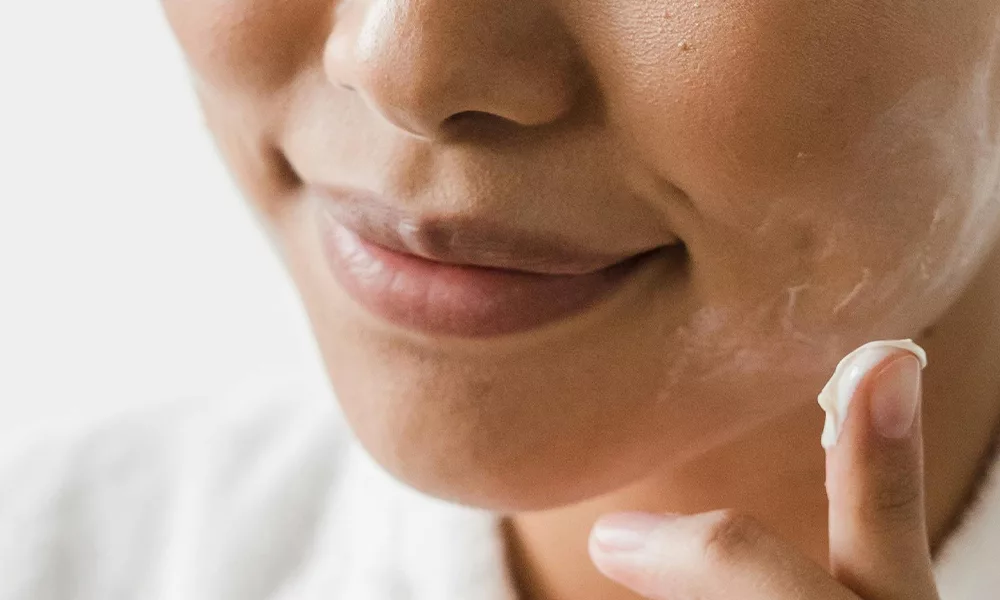
Several skin problems can improve with prescription retinoid treatments. Tretinoin cream acts on the processes in skin cells that control renewal and maintain structure. Doctors prescribe this derivative of vitamin A for conditions ranging from active acne to visible signs of ageing.
Comedonal acne clearing
Hair follicles become clogged when dead skin cells and oil accumulate. This cell layer sheds faster from the pores when treated with tretinoin. This prevents buildup before it starts. Blackheads form when trapped material oxidises at openings, while whiteheads stay under the skin surface. NextClinic providers check acne patterns and choose retinoid strengths that match severity and skin type. Trapped material gradually comes out as cell turnover speeds up. Pores stay open and clear, so new blemishes happen less often. You need weeks of steady use before seeing real clearing. Early treatment usually brings a purge phase where hidden clogs surface faster than normal.
Sun damage reversal
UV rays break down collagen and leave abnormal pigment scattered through skin layers. Tretinoin fixes several problems at once. Blotchy spots fade because retinoid action evens out melanin and moves damaged cells upward until they shed. Sun exposure destroyed the structural support these proteins provided. Skin gets thicker over time as dermal layers repair themselves. This creates a firmer texture that holds up better against future damage. Some precancerous changes may even improve since retinoids push cells toward normal growth patterns. Dermatologists need to monitor this aspect. Sunscreen becomes non-negotiable during treatment because retinoids make skin react more strongly to UV temporarily.
Wrinkle appearance reduction
Lines carved into facial skin improve through several pathways. Collagen production jumps when tretinoin activates fibroblast cells. These structural proteins plump skin from inside, filling shallow creases. Elastin fibres also increase, bringing back bounce and flexibility lost to ageing and stress. Skin layers multiply, creating a fuller appearance that hides surface lines better. Expression lines soften when improved quality lets tissue bounce back after muscles relax. Staying on tretinoin long-term keeps improvements stable and slows future wrinkling if you protect against the sun. Deep furrows from years of facial movement don’t respond much. Tretinoin can’t erase severe changes without help from other treatments.
Pore size minimisation
The nose, cheeks, and forehead are affected by large pores that produce a bumpy texture. Keratin is prevented from piling up inside follicle openings due to tretinoin. Pore walls stop stretching outward when this material clears out, making openings look smaller. Oil production sometimes normalises, too, which cuts down on shiny buildup that emphasises pores. Regular exfoliation from retinoid action keeps follicle channels free of junk. Better skin firmness from new collagen makes pores appear tighter as well. Those little bumps on arms and legs called keratosis pilaris can improve when tretinoin fixes how keratin forms around follicles. Results differ between people based on natural pore size and how much oil glands produce.
A retinoid changes the rate of protein synthesis and cellular regeneration. The regular use of this product reduces acne and fades sun damage. Lines look less obvious, and pores shrink through different treatment actions. Real changes take time to show up, usually several months of applying it every night.